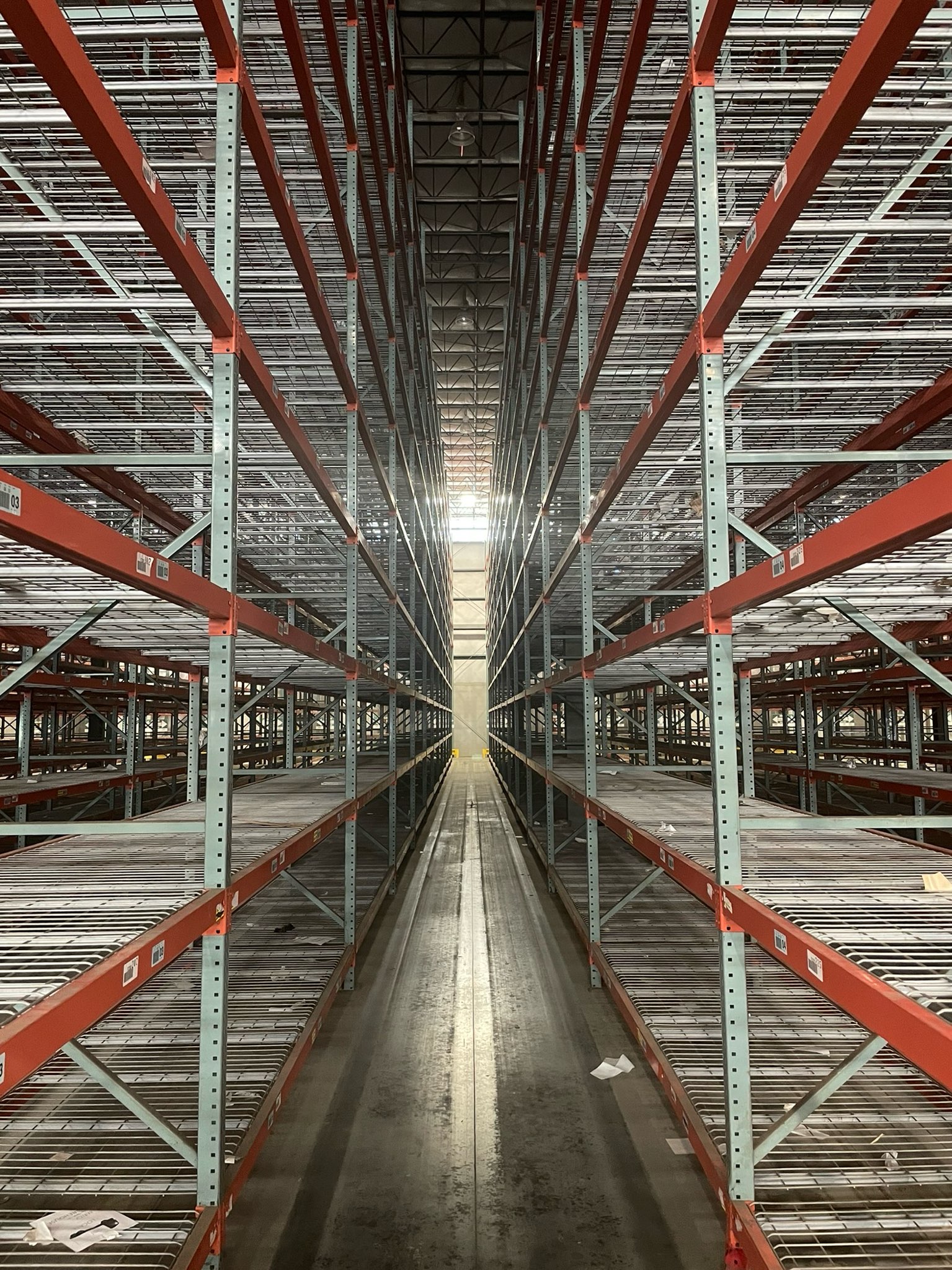
Pallet racking systems are the backbone of modern warehouse storage, enabling organized inventory control and efficient space utilization. Designed to carry heavy loads safely, these systems still require correct installation, disciplined usage, and ongoing maintenance. When these conditions are not met, rack failures can occur often leading to product loss, operational downtime, and serious safety hazards.
Below is a more structured, highly informational breakdown of the major causes of rack failures, including a summary table and FAQs for deeper understanding.
Major Causes of Rack Failures (Quick Overview Table)
| Cause Category | Description | Risk Level | Preventive Action |
|---|---|---|---|
| Impact Damage | Forklift or equipment collisions weaken structure | High | Install guards, train operators |
| Overloading | Exceeding designed load capacity | Critical | Enforce load limits, monitoring |
| Improper Installation | Misalignment or incorrect assembly | High | Professional installation |
| Lack of Maintenance | Missed inspections and hidden damage | High | Scheduled inspection program |
| Poor Load Distribution | Uneven weight placement on beams | Medium-High | Proper loading training |
| Damaged Components | Using bent, cracked, or rusted parts | Critical | Regular replacement |
| Environmental Factors | Moisture, corrosion, temperature changes | Medium | Climate control, cleaning |
| Human Error | Unsafe handling or lack of training | High | Staff training & supervision |
1. Impact Damage from Material Handling Equipment
Forklifts and pallet jacks frequently operate in tight warehouse aisles, making rack impact one of the most common failure causes. Even low-speed collisions can weaken uprights, loosen joints, and compromise structural integrity.
Repeated impacts gradually reduce load capacity and may eventually cause collapse if not repaired promptly.
Prevention:
- Install rack column protectors
- Use aisle safety barriers
- Enforce forklift operator certification programs
2. Overloading Beyond Safe Capacity
Every rack system is engineered with a maximum load rating. When this limit is exceeded, stress concentrates on beams and uprights, leading to bending, sagging, or sudden structural failure.
Overloading is especially dangerous because damage is often invisible until failure occurs.
Prevention:
- Clearly label load limits on all racks
- Use weight tracking systems
- Train staff on capacity compliance
3. Improper Installation and Assembly
Incorrect installation significantly reduces rack stability. Misaligned frames, missing locking pins, or loosely fastened bolts can weaken the entire structure.
Even minor installation errors can escalate into major safety risks over time.
Prevention:
- Use certified installation professionals
- Follow manufacturer guidelines strictly
- Conduct post-installation inspections
4. Lack of Regular Inspection and Maintenance
Warehouses often overlook routine inspections due to operational pressure. However, small defects like cracks, rust spots, or loose bolts can develop into serious hazards if ignored.
Prevention:
- Schedule weekly visual inspections
- Conduct professional audits periodically
- Maintain maintenance logs
5. Poor Load Distribution Practices
Uneven loading creates stress imbalance across rack beams. This leads to localized strain, bending, and potential collapse of specific sections.
Incorrect pallet placement also increases the risk of shifting loads during handling.
Prevention:
- Train employees on correct stacking methods
- Use evenly distributed loading patterns
- Avoid overloading single beam sections
6. Use of Damaged or Worn Components
Bent beams, rusted frames, and cracked connectors significantly weaken structural integrity. Continuing to use damaged parts increases the risk of system-wide failure.
Prevention:
- Replace damaged parts immediately
- Conduct periodic component audits
- Avoid mixing old and new incompatible parts
7. Environmental Factors and External Conditions
Moisture, humidity, and temperature fluctuations can degrade metal over time. Corrosion weakens load-bearing strength and increases the risk of sudden failure.
Dust accumulation can also interfere with safety inspections and equipment movement.
Prevention:
- Use corrosion-resistant coatings
- Maintain proper warehouse ventilation
- Implement regular cleaning schedules
8. Human Error and Unsafe Practices
Many rack failures are linked to operational mistakes such as improper forklift handling, accidental impacts, or incorrect loading procedures.
Lack of supervision and training increases these risks significantly.
Prevention:
- Provide continuous safety training
- Enforce warehouse SOPs
- Improve communication systems
Importance of Preventive Safety Measures
Preventing rack failure is far more cost-effective than repairing damage or handling accidents. A proactive safety system should include:
- Regular inspections
- Operator training programs
- Load capacity enforcement
- Protective safety accessories
- Maintenance scheduling
A well-managed racking system not only improves safety but also enhances warehouse efficiency and lifespan of infrastructure.
FAQs
1. What is the most common cause of rack failure?
The most common cause is impact damage from forklifts, followed closely by overloading and poor maintenance practices.
2. Can overloading cause sudden rack collapse?
Yes. Overloading can lead to sudden structural failure, especially if the rack is already weakened or damaged.
3. How often should warehouse racks be inspected?
Ideally, racks should be inspected weekly visually and undergo a professional safety audit at least once or twice a year.
4. What are early signs of rack damage?
Common warning signs include:
- Bent beams or frames
- Rust or corrosion
- Loose bolts or connectors
- Misaligned structures
5. Is training important in preventing rack failures?
Yes. Proper training reduces human error, improves loading practices, and significantly lowers accident risk.
6. What is the safest way to prevent forklift damage?
Installing rack guards, marking safe driving zones, and enforcing speed control inside warehouses are the most effective methods.
7. Can damaged rack parts be repaired instead of replaced?
Minor issues may be repairable, but structurally compromised components should always be replaced for safety.
Conclusion
Rack failures are almost always preventable. The primary causes impact damage, overloading, poor installation, lack of maintenance, and human error can be controlled through proper planning and disciplined warehouse management.
A structured safety system not only prevents accidents but also ensures long-term operational efficiency and reliability of pallet racking systems.